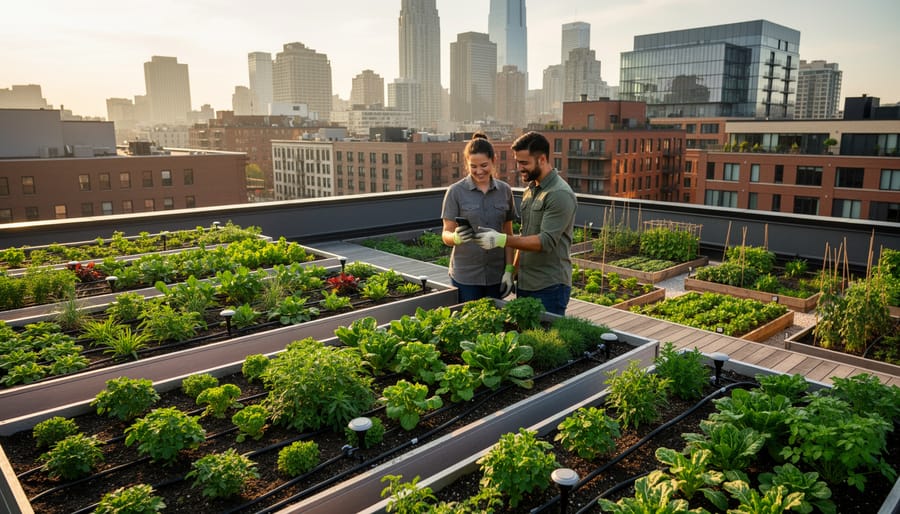
E-farming transforms traditional agriculture through digital networks that connect growers, resources, and consumers across distributed locations. Picture a neighborhood where rooftop gardens share sensor data, community plots coordinate crop rotations through mobile apps, and urban farmers access shared equipment through digital platforms—all working together as one intelligent farming ecosystem.
This networked approach to food production emerged from necessity. As cities expand and climate challenges intensify, isolated gardening efforts struggle to meet local food demands. Distributed farming networks solve this by treating scattered growing spaces as interconnected nodes in a larger system. A balcony garden in one building shares excess seedlings with a community plot three blocks away. Soil moisture data from park gardens helps apartment growers optimize watering schedules. Harvest surpluses flow automatically to neighbors through coordinated digital exchanges.
The technology enabling these networks ranges from simple WhatsApp groups coordinating seed swaps to sophisticated platforms managing multi-site irrigation systems. What matters isn’t the complexity of tools but the collaborative framework they create. E-farming democratizes agricultural knowledge, pooling expertise from veteran gardeners and agronomists while making it accessible to beginners through digital channels.
This shift represents more than efficiency gains. Distributed farming networks build food security from the ground up, creating resilient local food systems that withstand supply chain disruptions. They transform passive consumers into active producers connected through shared purpose and mutual support. Whether you manage a single container garden or coordinate multiple growing sites, e-farming principles offer practical pathways to participate in reimagining how cities feed themselves.
What E-Farming Really Means (Beyond the Buzzword)
E-farming moves beyond the romanticized image of farmers scrolling through smartphones in wheat fields. At its core, e-farming represents the integration of digital technologies with growing systems to enable monitoring, management, and optimization from anywhere with an internet connection. Think of it as giving your garden a nervous system that you can tap into remotely.
The distinction from traditional farming is fundamental. While conventional agriculture relies on physical presence, manual observation, and scheduled interventions, e-farming employs sensors, automated systems, and data analytics to create responsive growing environments. A traditional farmer walks their fields to check soil moisture; an e-farmer receives real-time alerts when hydration levels drop below optimal thresholds.
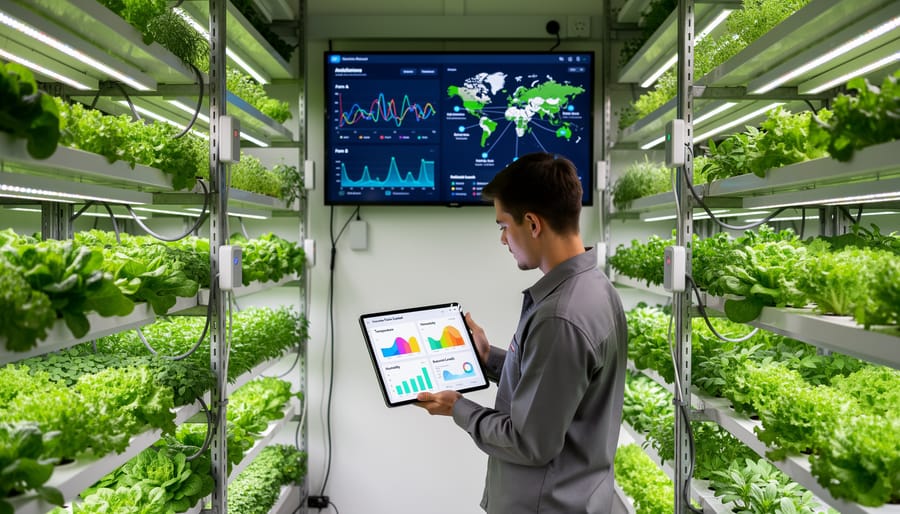
This digital transformation happens through Internet of Things (IoT) devices—essentially smart sensors and controllers that communicate with each other and with you. These tools monitor everything from pH levels and nutrient concentrations to temperature, humidity, and light intensity. The data flows to centralized platforms where you can track trends, receive notifications, and even automate responses like adjusting nutrient delivery or activating grow lights.
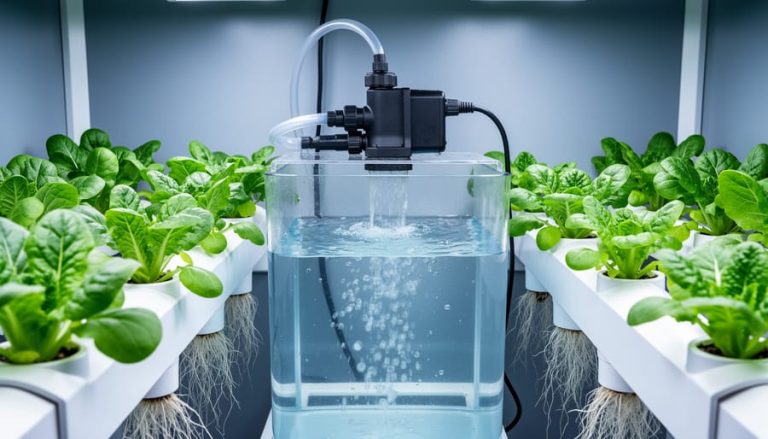
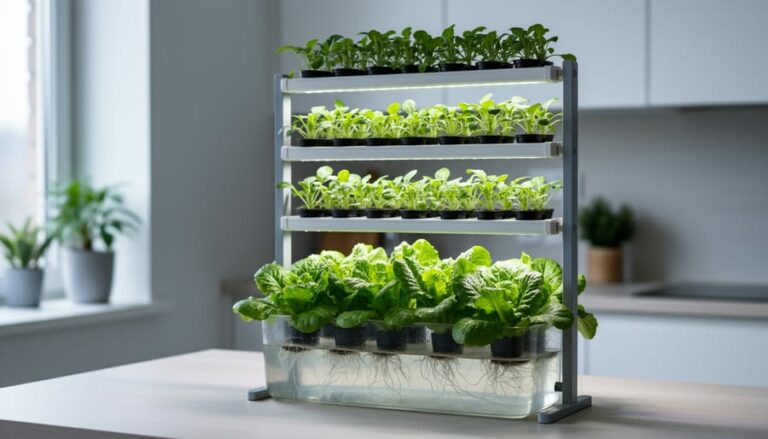
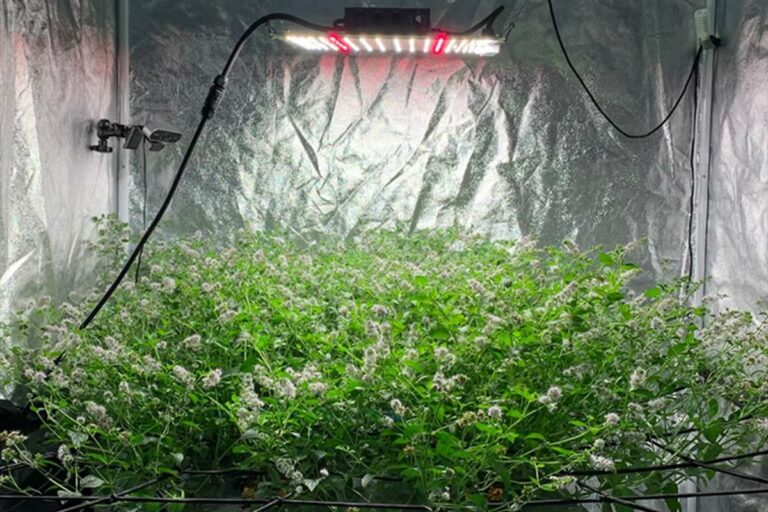
E-farming particularly shines in controlled environment agriculture. Hydroponic systems equipped with sensors can automatically balance nutrient solutions, while connected vertical farms adjust lighting schedules based on plant growth stages. Aquaponics setups monitor both fish health and plant nutrition simultaneously, creating feedback loops that optimize both ecosystems. A rooftop greenhouse in Chicago can share performance data with a basement grow room in Seattle, allowing both operators to learn from each other’s conditions.
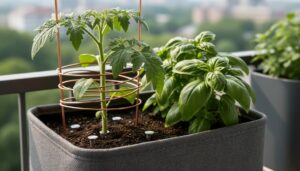
What makes this truly revolutionary is accessibility. You don’t need a massive operation to participate. A small balcony garden with soil moisture sensors and a simple automation controller qualifies as e-farming. The technology scales from a single smart planter to warehouse-sized vertical farms, democratizing access to precise growing techniques that were once exclusive to large agricultural corporations.
How Distributed Farming Networks Connect Individual Growers
The Technology Backbone: Sensors, Apps, and Data Sharing
At the heart of distributed farming networks lies a surprisingly accessible suite of technologies that transform how we grow and share food. Think of it as creating a digital nervous system for your garden—one that connects with others to make everyone more successful.
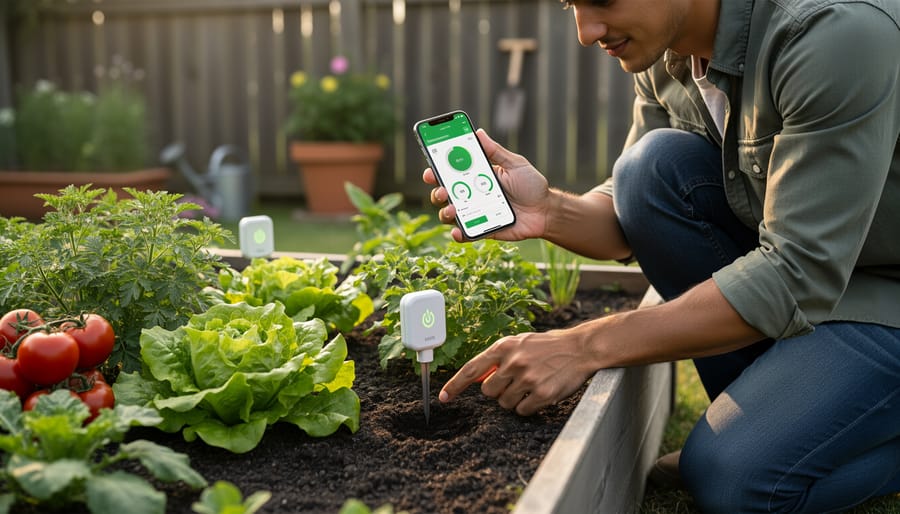
Environmental sensors are the starting point. These small, affordable devices monitor soil moisture, temperature, light levels, and nutrient content in real-time. Many modern sensors connect directly to your smartphone via Bluetooth or WiFi, sending alerts when your plants need attention. What makes these particularly valuable in networked farming is their ability to share data across multiple growing sites, helping identify patterns that might be invisible to individual gardeners.
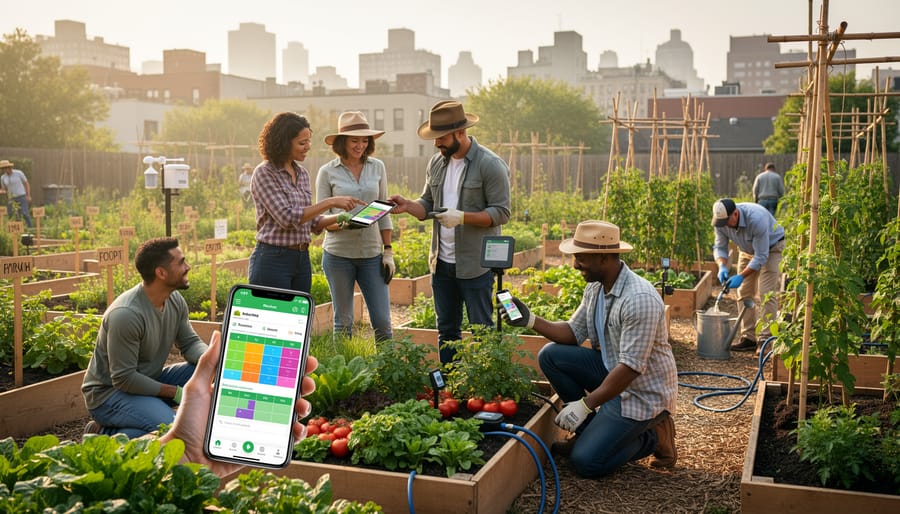
Mobile apps serve as your command center, collecting information from sensors while providing a platform to log observations, share photos, and track harvests. Apps like these create digital growing journals that benefit entire communities. When dozens of gardeners in a region record their tomato yields alongside weather data and care practices, everyone gains insights into what actually works in local conditions.
Cloud platforms act as the connective tissue, storing and organizing data from multiple gardens in secure, accessible locations. This shared infrastructure means a rooftop gardener in Chicago can learn from balcony growers in similar climates, comparing notes on everything from pest management to succession planting schedules.
AI-driven analytics take this shared information and transform it into actionable recommendations. Machine learning algorithms can identify optimal planting times, predict potential disease outbreaks based on environmental conditions, and suggest resource-sharing opportunities between nearby growers. The technology learns from collective experience, becoming more accurate as more gardeners participate.
This infrastructure democratizes agricultural knowledge, making expertise that once required years to develop accessible to anyone with curiosity and an internet connection.
Real-World Network Models Already Working
The good news? You don’t need to wait for the future to see distributed farming networks in action. They’re already transforming how communities grow and share food right now.
Community-Supported Agriculture (CSA) programs have evolved far beyond simple produce subscriptions. Modern CSA networks like Harvie and LocalLine use software platforms to coordinate multiple farms, allowing members to customize weekly shares, track crop availability in real-time, and even communicate directly with growers. These tech-enhanced systems reduce food waste by matching supply with actual demand while giving farmers better income predictability.
Urban farm cooperatives are creating impressive distributed networks within cities. The Philadelphia-based Soil Generation network connects dozens of urban growers who share resources, equipment, and distribution channels through a centralized digital platform. Members coordinate planting schedules to ensure diverse harvests throughout the season, and they pool their produce for farmers market sales and restaurant partnerships that individual growers couldn’t access alone.
Hyperlocal food distribution systems like Crop Swap LA and Food Connect demonstrate how technology enables neighborhood-scale networks. These platforms use apps and websites to facilitate peer-to-peer exchanges, connect backyard gardeners with local buyers, and organize community pickup points that reduce transportation emissions.
What makes these models work is their combination of digital coordination tools with genuine community relationships. They prove that distributed farming networks aren’t just theoretical concepts but practical solutions already feeding thousands of people while building resilient local food systems.
Why This Matters for Food Deserts and Urban Communities
Food deserts—areas where access to fresh, affordable produce is severely limited—affect millions of people in urban communities across the globe. These neighborhoods often rely on convenience stores and fast-food outlets rather than grocery stores with fresh produce, creating significant health disparities. Distributed e-farming networks offer a powerful solution to this persistent challenge by transforming how communities access nutritious food.
Traditional food supply chains transport produce hundreds or thousands of miles from rural farms to urban centers. This system is vulnerable to disruptions, contributes to environmental degradation through transportation emissions, and often results in produce losing nutritional value during transit. When a single point in this chain fails—whether due to weather, labor shortages, or infrastructure issues—entire communities can lose access to fresh food.
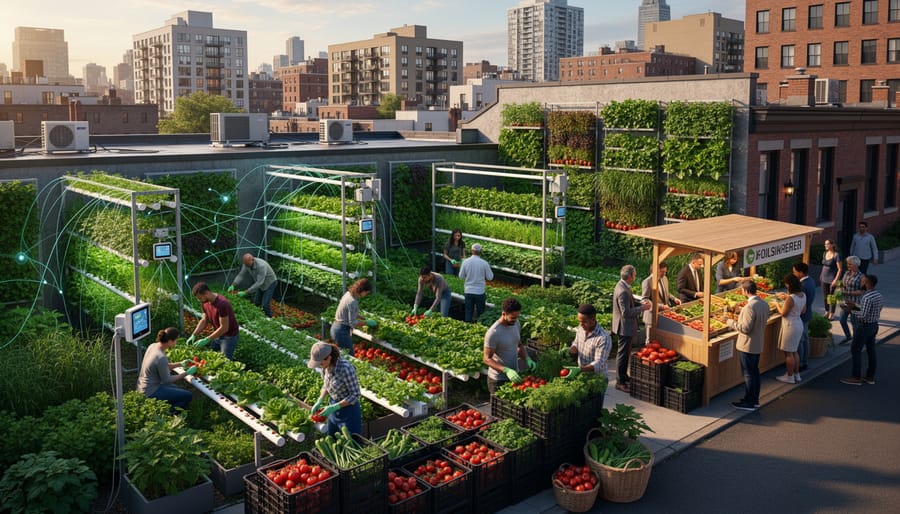
E-farming flips this model by enabling hyper-local food production. Through networked systems of rooftop gardens, vertical farms, community growing spaces, and even apartment-based growing setups, communities can produce fresh vegetables and herbs within walking distance of where people live. These distributed networks use connected sensors, automated monitoring systems, and shared data platforms to make growing food more accessible to people without traditional farming knowledge.
The resilience factor cannot be overstated. When food production is distributed across dozens or hundreds of smaller sites rather than concentrated in distant rural areas, communities become less vulnerable to supply chain disruptions. If one growing location experiences problems, the network continues functioning. During the pandemic, communities with established local food networks weathered supply shortages far better than those completely dependent on distant suppliers.
Economic empowerment follows naturally from this model. Distributed e-farming creates opportunities for residents to participate in food production, whether through community cooperatives, micro-entrepreneurship selling locally grown produce, or simply reducing their own grocery expenses. Technology integration lowers barriers to entry—automated systems can manage watering schedules, nutrient delivery, and environmental monitoring, making successful growing achievable even for complete beginners.
Perhaps most importantly, these networks rebuild the connection between people and their food sources. When communities actively participate in growing their own food, they gain knowledge, skills, and agency over their nutritional futures. This represents more than just access to vegetables—it’s about restoring community self-sufficiency and dignity in neighborhoods that have been systematically underserved by conventional food systems.
The Benefits You’ll Actually Experience
Shared Knowledge Accelerates Your Growing Success
One of the most transformative aspects of distributed farming networks is the collective intelligence they foster. When growers connect through digital platforms, they create a living library of agricultural wisdom that benefits everyone in the network.
Think of it as having thousands of experienced mentors at your fingertips. When you notice yellowing leaves on your tomato plants, you can instantly tap into a database of similar cases, complete with photos, environmental conditions, and successful solutions from growers who faced the same challenge. This shared problem-solving approach dramatically reduces the trial-and-error period that traditionally accompanies learning to grow food.
The real power emerges when individual data points combine into meaningful patterns. A network of urban rooftop gardens across a city, for example, might discover that certain microclimates consistently produce higher yields of specific crops. This aggregated information helps new participants avoid common pitfalls and make informed decisions from day one.
Many e-farming platforms include features like real-time alerts when network members identify pest outbreaks or disease patterns in your area, giving you time to take preventive action. Discussion forums and video tutorials created by fellow growers address practical questions that traditional agricultural resources often overlook, such as adapting techniques for apartment balconies or managing limited water access.
This collaborative approach doesn’t replace individual experimentation; rather, it accelerates your learning curve and builds confidence. You’re not just growing food in isolation—you’re contributing to and benefiting from a community committed to improving food production outcomes for everyone involved.
Resource Efficiency Through Coordination
One of the most compelling advantages of distributed farming networks is how they transform resource management through smart coordination. When multiple growers connect through digital platforms, they can pool resources in ways that simply weren’t possible for isolated gardeners.
Equipment sharing becomes seamless when members coordinate through apps that track availability and location. Instead of ten community gardens each purchasing an expensive soil tester or vertical farming system, they share one unit, dramatically reducing individual costs while ensuring everyone has access to professional-grade tools. This collaborative approach extends to bulk purchasing power—coordinated orders for seeds, growing media, and organic fertilizers often yield discounts of 20-40% compared to individual purchases.
Digital coordination also prevents the common problem of simultaneous harvests flooding local markets. When growers share their planting schedules through network platforms, they can stagger crops to ensure steady supply throughout the season, reducing waste and improving income stability for those selling their produce.
Energy optimization becomes another significant benefit, particularly for networks incorporating indoor or greenhouse growing. Centralized monitoring systems can balance energy loads, schedule intensive operations during off-peak hours, and even share renewable energy resources across multiple sites, reducing both costs and environmental impact.
Stronger Market Access and Economic Viability
When individual growers work alone, they often face significant barriers to market entry. Buyers prefer consistent, larger quantities that single small-scale operations struggle to provide. Distributed farming networks solve this challenge by pooling resources and harvests from multiple growers, creating a collective supply chain that can compete with industrial agriculture.
Through digital platforms and coordinated logistics, network members can aggregate their produce to fulfill wholesale orders, supply restaurants, or stock farmers markets with reliable variety and volume. This collective approach gives small growers negotiating power they wouldn’t have individually, allowing them to secure better prices and long-term contracts.
The economic benefits extend beyond pricing. Networks often share distribution infrastructure, reducing individual transportation costs and carbon footprints. Some establish cooperative processing facilities or shared cold storage, further lowering overhead expenses. Members can also diversify their offerings by coordinating what they grow, ensuring the network provides seasonal variety that attracts and retains customers.
This collaborative model creates economic resilience, particularly important for urban growers balancing farming with other commitments. By joining forces, participants access markets and achieve financial viability that would be nearly impossible to reach on their own.
Getting Started: Joining or Creating a Distributed Network
Technology You’ll Need (It’s More Accessible Than You Think)
Here’s the good news: you don’t need thousands of dollars in equipment to participate in a distributed farming network. The barrier to entry is surprisingly low, thanks to increasingly affordable technology and clever use of tools you likely already own.
Your smartphone is your most powerful asset. Free or low-cost apps can track planting schedules, monitor growth patterns, and connect you with nearby growers. Popular options like GrowVeg, Plantix, and various community-specific platforms let you share harvests, coordinate plantings, and even troubleshoot pest problems with fellow network members. Many distributed networks operate through simple messaging groups or dedicated apps that require nothing more than basic internet connectivity.
For those interested in data collection, entry-level sensors have become remarkably affordable. Soil moisture sensors start around fifteen dollars and connect directly to your phone via Bluetooth. Basic weather stations that track temperature and humidity run under fifty dollars. These devices help you make informed decisions and contribute valuable growing data to your network.
Cloud-based platforms for coordination are often free for small-scale operations. Tools like Google Sheets, Trello, or specialized agricultural platforms allow networks to track collective harvests, plan crop rotations, and manage seed libraries without subscription fees.
The key is starting simple. Begin with what you have—your phone, free apps, and willingness to share information. As your network grows and proves successful, you can gradually invest in additional sensors or tools. The technology serves the community, not the other way around.
Finding Your Network or Building One Locally
You don’t need to start from scratch when exploring distributed farming networks. Existing communities are already thriving in many areas, and finding them can be as simple as checking your local community bulletin board or exploring online platforms.
Community gardens serve as natural hubs for e-farming networks. These spaces often host gardeners who are experimenting with technology like moisture sensors, weather monitoring apps, and growing databases. Visit your nearest community garden and strike up conversations with fellow growers—many will be eager to share their experiences with connected growing tools.
Maker spaces and technology co-ops increasingly feature agriculture-focused projects. These creative hubs provide access to resources like 3D printers for custom sensor housings, Arduino workshops for building monitoring systems, and programming assistance for data management. Search for maker spaces in your area and inquire about agriculture or sustainability-focused meetups.
Online platforms offer powerful discovery tools. Facebook groups dedicated to urban farming in your city, NextDoor neighborhood forums, and platforms like Meetup.com frequently list local growing networks. Reddit communities such as r/UrbanFarming and specialized Discord servers connect distributed growers worldwide while helping you find local participants.
If no network exists nearby, consider starting small. Invite a few neighbors interested in gardening to share observations about growing conditions in your microclimate. Create a simple shared spreadsheet documenting what works and what doesn’t. As your group grows comfortable with data sharing, gradually introduce affordable technology like smartphone weather apps or basic soil testing kits.
Remember, successful networks begin with relationships, not technology. Focus first on building trust and establishing regular communication with fellow growers. The digital tools will naturally follow as your community identifies specific challenges that connected systems can address.
Challenges and Realistic Expectations
While e-farming and distributed networks offer tremendous potential, it’s important to approach this innovation with clear eyes and realistic expectations. Understanding the challenges upfront will help you prepare for success rather than face unexpected frustration.
The technology learning curve represents perhaps the most immediate hurdle. Even user-friendly platforms require basic digital literacy, comfort with data input, and willingness to troubleshoot occasional glitches. If you’ve never used collaborative software or cloud-based tools, expect to invest time learning the systems. The good news is that most platforms design interfaces with beginners in mind, offering tutorials and community support. Start small—perhaps joining an established network before attempting to coordinate your own—and give yourself permission to learn gradually.
Coordination complexity increases exponentially with network size. Managing shared resources, scheduling harvests, coordinating deliveries, and ensuring fair distribution requires consistent communication and clear protocols. What works smoothly for five neighbors might become chaotic with fifty participants. Successful networks often designate coordinators or create rotating leadership roles to manage logistics, which means someone must commit time beyond just growing food.
Data privacy concerns deserve serious consideration. When you share information about your garden’s production, location, and schedule through digital platforms, you’re creating a data trail. Who owns this information? How might it be used? Will your participation be monetized by platform providers? Read privacy policies carefully and favor open-source or cooperative platforms that prioritize user control over corporate data harvesting.
Initial investment costs can surprise newcomers. While e-farming doesn’t necessarily require expensive equipment, you’ll likely need reliable internet access, a smartphone or computer, and potentially sensors or monitoring devices to fully participate. Some networks also require membership fees to maintain shared infrastructure or platform subscriptions.
Perhaps most critically, remember that technology should enhance rather than replace human relationships. Digital coordination tools work best when supported by face-to-face meetings, shared work days, and genuine community building. The strongest distributed networks balance efficient digital systems with the trust and goodwill that only develop through personal connection. Technology enables collaboration, but people make it meaningful.
E-farming through distributed networks isn’t about replacing the joy of getting your hands in the soil or the satisfaction of harvesting tomatoes from your balcony garden. Instead, it represents a natural evolution of what many urban gardeners already value: growing fresh food, building community connections, and making a tangible difference in local food systems. By coordinating our individual efforts through digital platforms and shared knowledge, we can amplify the impact of every container garden, rooftop plot, and community bed while preserving the personal relationships that make gardening so rewarding.
The beauty of distributed farming networks lies in their flexibility. You can start small by simply sharing your extra harvest with neighbors through a local food-sharing app, or dive deeper by coordinating planting schedules with other growers to ensure consistent produce availability at a neighborhood market. The technology serves as a tool to enhance connection, not replace it. When twenty urban gardeners coordinate to grow different vegetables, everyone benefits from greater variety and food security than any single garden could provide.
Whether you’re tending a windowsill herb garden or managing a community plot, opportunities to participate in distributed e-farming networks are growing in cities worldwide. Start by researching local food-sharing platforms, urban agriculture cooperatives, or community-supported agriculture programs in your area. Join online gardening forums where coordination happens, attend local food system meetings, or simply connect with neighboring gardeners to explore collaborative growing. Every contribution matters, and your garden can become part of something larger while remaining deeply, personally yours.