Categories
Getting Started to Hydroponics Hydroponic Core Concepts Plants

Hydroponics for Beginners: Start Growing Fresh Food Without Soil

Estimated read time 18 min read

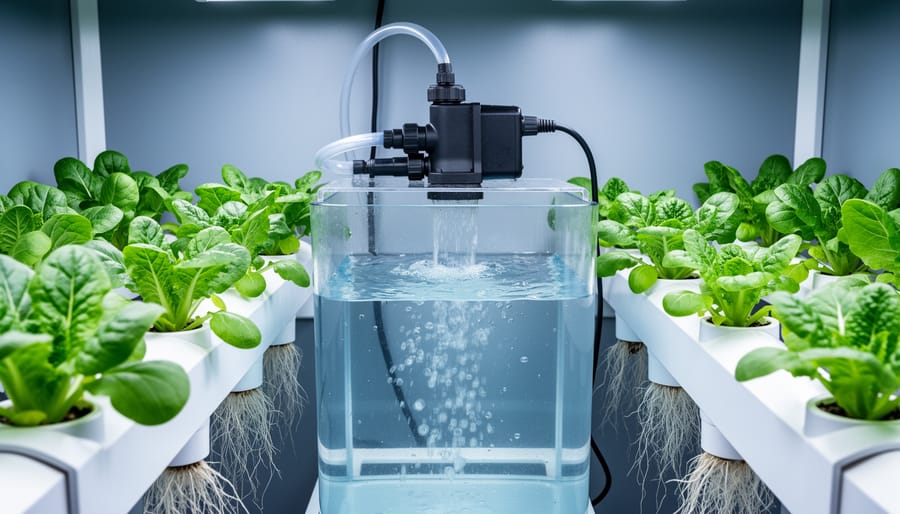
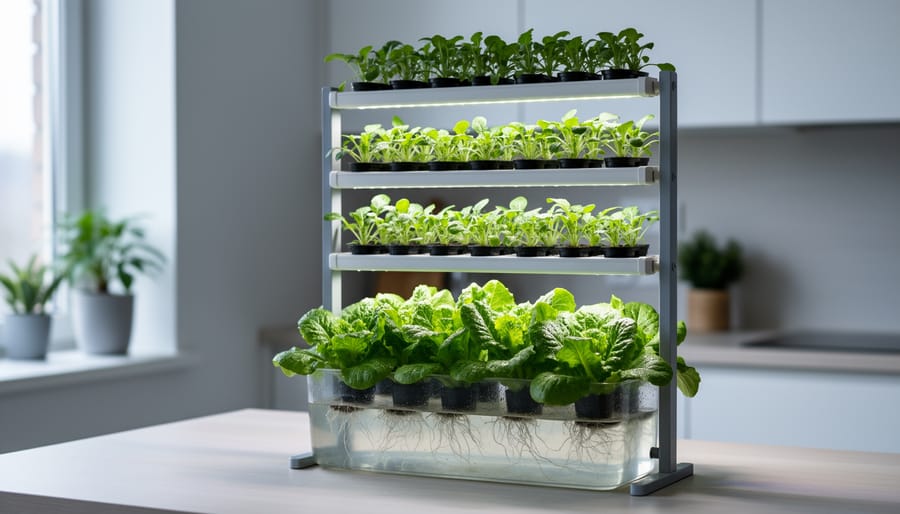
Hydroponics for beginners is simpler than you think: you’re growing plants in water enriched with nutrients instead of soil, and you can start a basic system for under $100 in about 30 minutes. This method lets you grow fresh vegetables year-round in any space, uses 90% less water than traditional gardening, and produces crops up to 50% faster because roots get direct access to oxygen and nutrients.
If you’re reading this in 2026, you’re joining a movement that’s reshaping how people think about food production in apartments, classrooms, and community spaces. The barrier to entry has never been lower. Simple …

Categories
Blog Getting Started to Hydroponics Hydroponic Core Concepts

How to Choose Organic Nutrients for Hydroponics: A Buying Guide

Estimated read time 22 min read

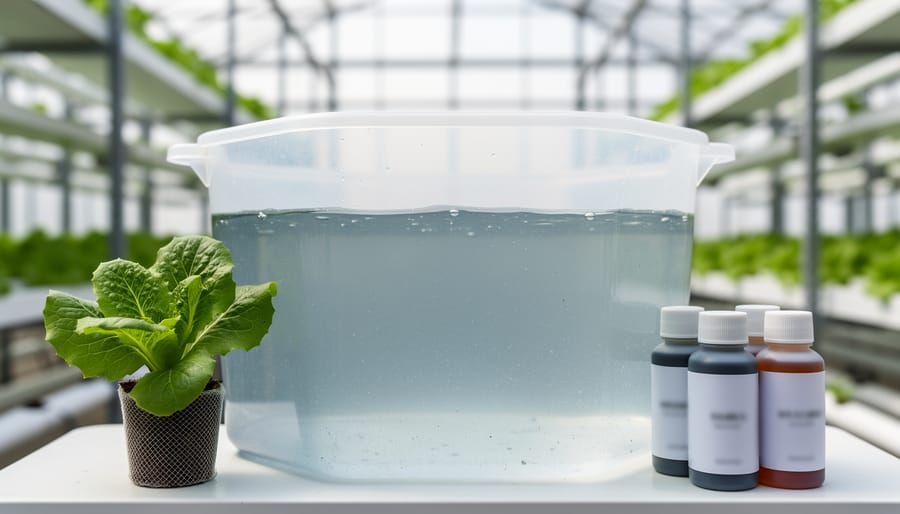
Organic nutrients for hydroponics combine water-soluble plant-based and mineral sources to feed crops without synthetic chemicals, delivering comparable yields to conventional hydroponic fertilizers while supporting sustainable growing practices. The right organic nutrient solution depends on your system type, crop selection, and whether you’re willing to manage the slightly higher maintenance these products require.
Key Takeaway: When choosing organic hydroponic nutrients, prioritize solubility rating (essential for preventing clogs), NPK ratio matched to your crop type, and whether the…

Categories
Blog Getting Started to Hydroponics Hydroponic Core Concepts

Electro Culture Gardening: The Spark Your Plants Are Missing in 2026

Estimated read time 17 min read

Imagine charging your soil like a battery to supercharge plant growth. That’s the core promise of electroculture gardening, a practice experiencing a renaissance in 2026 after cycling through agricultural circles for over two centuries. The concept is deceptively simple: apply weak electrical currents, magnetic fields, or atmospheric energy collectors to your growing environment to supposedly enhance germination rates, root development, and overall plant vigor.
The technique has split the gardening community. Some practitioners report tomato plants that tower over controls, faster seed sprouting, and increased yields. Others …

Categories
Getting Started to Hydroponics

How to Maintain Your Hydroponics System

Estimated read time 6 min read

For short-term crops like lettuce, which are harvested within 6 to 7 weeks, a “set it and forget it” approach, where the water isn’t changed, might be feasible.
However, for longer-term crops such as tomatoes that need a full growing season, or herbs that are harvested continuously, it’s important to change the water in your hydroponic system. This practice supports both plant health and food safety by preventing …

Categories
Getting Started to Hydroponics

Tips for Choosing the Right Plants and Seeds for Your System

Estimated read time 5 min read

Choosing the right plants is crucial when starting hydroponics. Moreover, your choice of plants is heavily influenced by the available light and heat in your setup.
If you’re looking for plants that are suited for hydroponic systems all year round, you can go for lettuce, herbs, and plants that belong to the Brassica family. These include mustards, kale, and similar vegetables, which thrive in hydroponic systems throughout the year.
Varieties like amaranth …

Categories
Getting Started to Hydroponics

Food Safety While Harvesting Plants from a Hydroponics System

Estimated read time 3 min read

Warm environments in hydroponic systems, particularly those with supplemental lighting, can create ideal conditions for the growth and spread of bacteria and viruses due to the combination of heat and standing water.
It’s crucial that you maintain good hygiene practices to prevent introducing pathogens into your system. Always wash your hands thoroughly before touching any part of your hydroponic setup, whether you’re planting new seeds, changing the water, checking the pH, adding nutrients, or performing any other maintenance tasks.
This simple step can significantly reduce the risk of contaminating your system …

Categories
Getting Started to Hydroponics

A Quick Guide to Starting Your Own Small-Scale Hydroponics System

Estimated read time 1 min read

Hydroponics is essentially a method that lets you grow plants without using soil. This works throughout the year and saves more water compared to traditional soil gardening.
Plants grow faster and produce more in hydroponic systems. For hydroponic gardening, you’ll need plants, a container, water, something to hold the plants in place, nutrients, and a light source.
You can grow vegetables hydroponically both inside and outside. Meanwhile, if you’…

Categories
Getting Started to Hydroponics

How to Maintain a Small-Scale Nutrient Film Technique System

Estimated read time 8 min read

The Nutrient Film Technique (NFT) system is highly adaptable and can be scaled to fit various production sizes. This ranges from small home setups to large commercial operations.
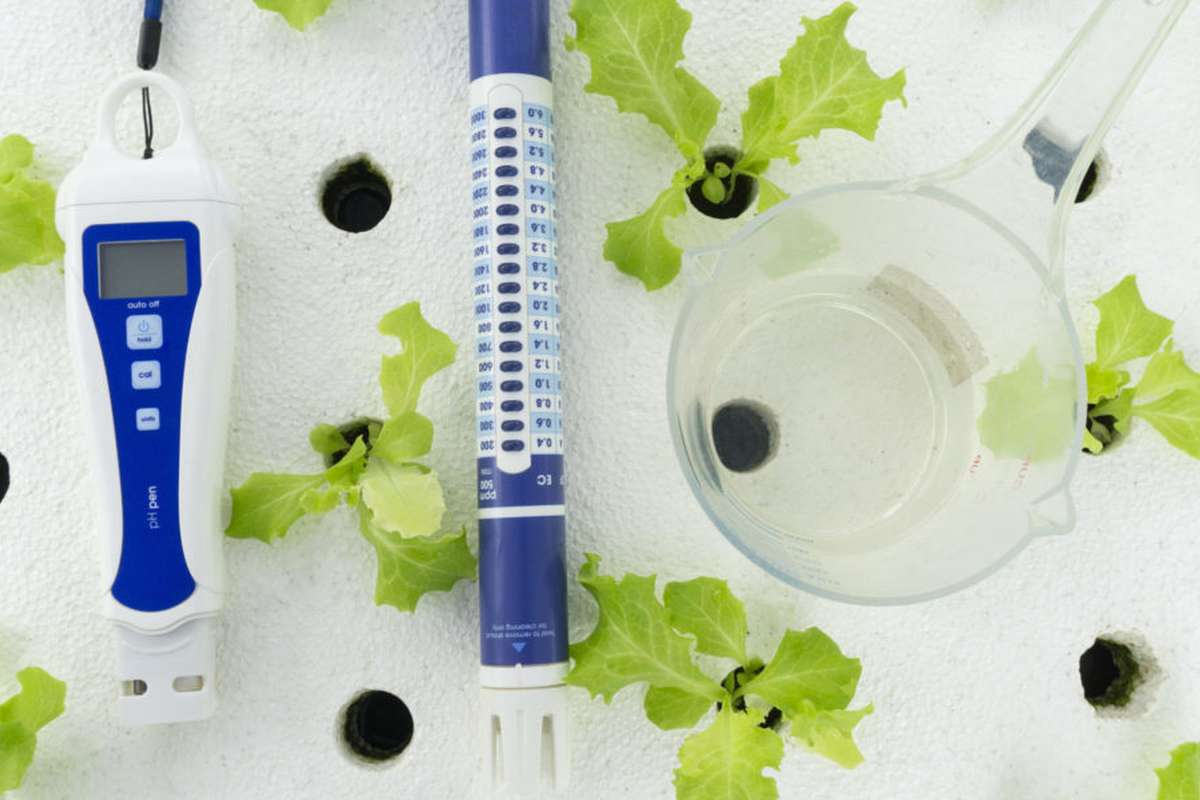
The key to success with NFT hydroponics lies in regular monitoring and maintenance of the system. This includes checking the nutrient solution’s pH and electrical conductivity (EC), ensuring the pump and irrigation system are functioning correctly, and inspecting plants for health and growth progress.
By keeping a close eye on these aspects, you can grow healthy plants and achieve high-quality, marketable crops. But how exactly do you maintain …