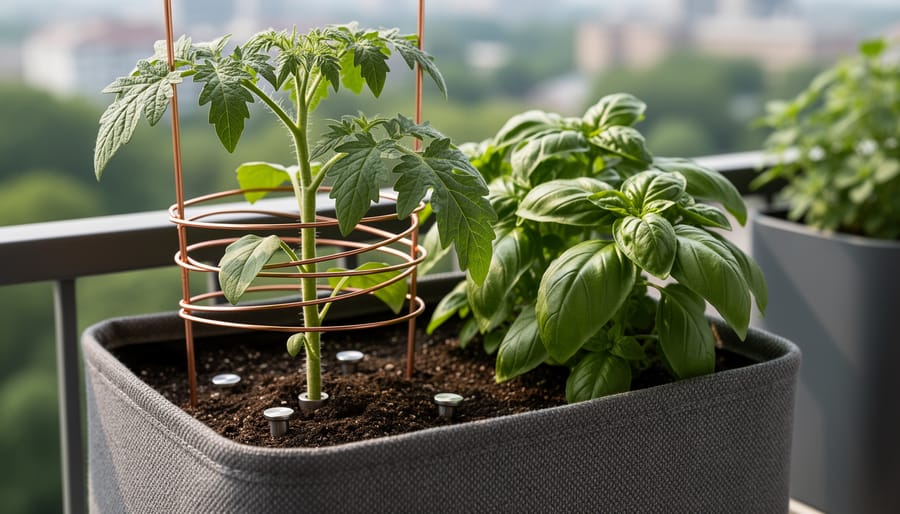
Imagine charging your soil like a battery to supercharge plant growth. That’s the core promise of electroculture gardening, a practice experiencing a renaissance in 2026 after cycling through agricultural circles for over two centuries. The concept is deceptively simple: apply weak electrical currents, magnetic fields, or atmospheric energy collectors to your growing environment to supposedly enhance germination rates, root development, and overall plant vigor.
The technique has split the gardening community. Some practitioners report tomato plants that tower over controls, faster seed sprouting, and increased yields. Others see no difference whatsoever. The scientific community remains cautious, with limited peer-reviewed studies producing mixed results that neither fully validate nor completely debunk the practice.
What we do know is this: plants are electrochemical organisms. They respond to environmental electromagnetic fields, generate weak electrical signals during growth, and use ion exchanges for nutrient uptake. The question isn’t whether electricity matters to plants, it’s whether the specific methods promoted by electroculture practitioners actually harness these processes in meaningful ways.
For urban gardeners in 2026, electroculture presents an intriguing experimental opportunity. The techniques require minimal investment and adapt surprisingly well to container gardens, balconies, and hydroponic systems. Whether you’re winding copper wire around stakes, positioning magnets near root zones, or building atmospheric antennas from galvanized wire, these methods integrate easily into existing setups.
This article cuts through the hype and historical claims to give you practical, tested approaches for trying electroculture yourself. You’ll learn specific techniques that work in limited spaces, understand what science actually supports, and discover how to document results that contribute to our collective understanding of this polarizing practice.
What Is Electro Culture Gardening?
Electro culture gardening rests on a simple yet intriguing premise: plants respond to electrical and magnetic fields in ways that can boost their growth, health, and yield. The practice involves placing conductive materials like copper wires, magnets, or grounding stakes near plants to capture atmospheric electricity and create subtle electromagnetic fields around the root zone and foliage.
Plants are already electrical beings. They generate tiny currents as they move nutrients from roots to leaves, communicate through bioelectric signals, and respond to the Earth’s natural magnetic field. Electro culture practitioners believe that enhancing these natural electrical processes through external inputs can improve nutrient uptake, stimulate beneficial soil microbes, and increase photosynthetic efficiency.
The historical roots run deeper than most people realize. In the 1700s and 1800s, European scientists experimented with applying electricity to crops, reporting increased germination rates and larger harvests. These early experiments largely faded from mainstream agriculture as chemical fertilizers dominated the 20th century. But the practice never completely disappeared. Small-scale farmers and experimental gardeners kept the techniques alive, and now in 2026, electro culture is experiencing a genuine revival as urban growers seek alternatives to conventional methods.
Understanding the core concepts helps demystify what can sound like garden magic:
- Electro Culture
- The practice of using atmospheric electricity, electromagnetic fields, and conductive materials to stimulate plant growth and enhance soil biology without synthetic inputs.
- Atmospheric Electricity
- The natural electrical charge present in the air, particularly strong during thunderstorms but always present to some degree, which plants can absorb through proper antenna systems.
- Electromagnetic Field (EMF)
- The invisible field of energy created by electrically charged objects, which in gardening contexts refers to the low-level fields generated by copper wires, magnets, and grounding systems around plants.
- Copper Antenna Systems
- Spiral wires or vertical stakes made from copper that act as conductors, capturing atmospheric charge and creating a gentle electrical field around growing plants.
- Galvanic Response
- The plant’s biological reaction to electrical stimulation, potentially triggering increased root development, nutrient absorption, and cellular activity.
The basic theory suggests that copper antennas create a low-voltage electrical field that mimics natural atmospheric conditions, while magnets influence water molecules and iron-based compounds in soil. Grounding systems connect plants to the Earth’s natural electrical potential, which proponents claim helps balance plant energy and reduce stress.
This isn’t about electrocuting your tomatoes or creating a science lab in your balcony garden. The electrical effects are subtle, working with natural processes rather than forcing dramatic changes. Think of it as tuning into frequencies plants already recognize rather than introducing something completely foreign to their biology.
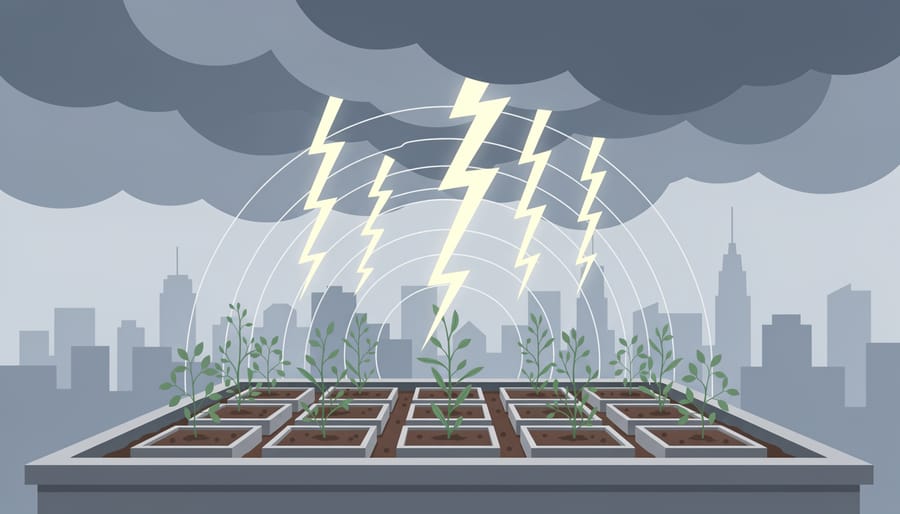
The Science Behind the Spark: Does It Actually Work?
The honest truth? Science hasn’t fully caught up with the electro culture buzz circulating through gardening communities in 2026. While enthusiasts report impressive results and workshops exploring the practice are gaining traction, the peer-reviewed research backing these claims remains surprisingly sparse.
Here’s what we do know: plants are bioelectric organisms. They generate measurable electrical signals during growth, respond to electromagnetic fields in their environment, and use electrical gradients to move nutrients and water internally. Lightning, which naturally charges the atmosphere and enriches soil with nitrogen, has fertilized crops for millennia. So the core idea that electricity affects plants isn’t pseudoscience, it’s the specific claims about copper antennas and magnets that lack rigorous validation.
Some proposed mechanisms actually make biological sense. Electromagnetic fields might stimulate root growth by influencing calcium ion movement in plant cells, a process essential for cell elongation. Charged particles in the soil could improve nutrient availability by altering pH or increasing microbial activity. Enhanced photosynthesis through electromagnetic stimulation has shown promise in limited laboratory studies, though translating this to real-world gardens is another matter entirely.
What we’re mostly working with is observational evidence. Growers experimenting with copper stakes and magnetized water share photos of larger tomatoes, faster germination, and healthier foliage. These reports aren’t fabricated, but they’re also not controlled experiments. Seasonal variation, improved watering habits, better soil preparation, or simply increased attention to plants could explain the improvements. Without control groups and systematic measurement, it’s impossible to isolate electro culture as the cause.
The scientific community remains skeptical, and for good reason. Most electro culture studies from the early 1900s weren’t replicated with modern methodology. Recent research is scattered and often lacks the sample sizes needed for definitive conclusions. Some experiments show positive effects, others show none, and the lack of standardized methods makes comparison difficult.
Does this mean electro culture is worthless? Not necessarily. It means we’re in an experimental phase where curiosity should outweigh certainty. If you approach it as a low-cost, low-risk trial rather than a guaranteed miracle, you’re positioning yourself to learn something valuable regardless of the outcome. Document what you observe, maintain realistic expectations, and you’ll contribute to the collective understanding of whether this practice deserves its growing reputation.
Common Electro Culture Methods for Urban Gardens
Copper Antenna Systems
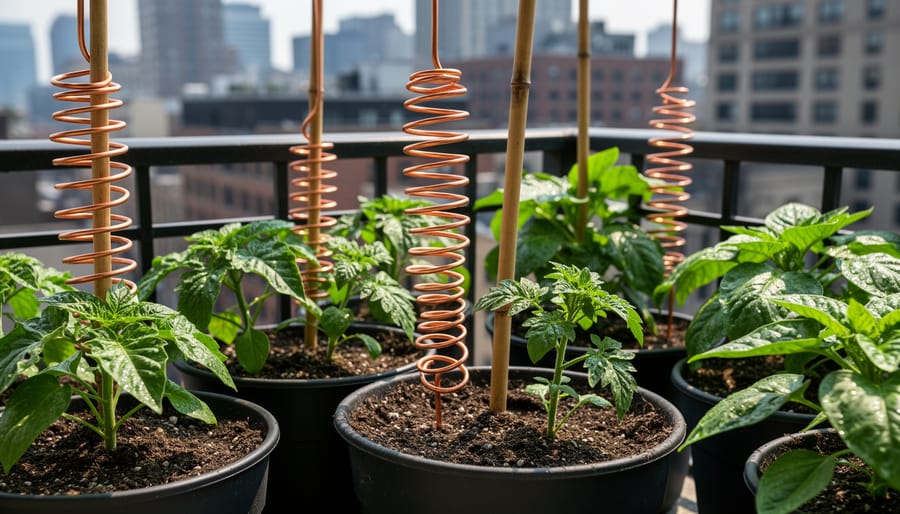
The simplest way to experiment with electro culture is to create copper wire antennas for your containers and vertical systems. Start with pure, uncoated copper wire, around 12 to 16 gauge. You can form a basic antenna by shaping the wire into a spiral or coil, then inserting a stake portion into your growing medium. Many urban gardeners create spirals with 3 to 5 loops, leaving a 6 to 8-inch stake to anchor into soil or substrate.
For container gardens, position one antenna per pot, placing it on the north side if possible to avoid shading your plants. In vertical systems or stacked planters, you can run copper wire spirals vertically along support structures, maintaining contact with each growing level. Some growers wrap copper wire around bamboo stakes or repurpose old copper plumbing scraps, which works fine as long as the copper remains exposed to air.
The theory suggests these antennas capture atmospheric electromagnetic energy and transfer it to your plants through the growing medium. Whether that’s happening or not, the setup costs just a few dollars and takes minutes to install.
Keep your expectations realistic. You might notice slightly faster germination or more vigorous growth, but you might see no difference at all. The key is treating this as an experiment rather than a guaranteed technique. Set up control plants without antennas, document your observations with photos and measurements, and give it at least one full growing cycle before drawing conclusions.
Magnetic Field Applications
Magnetic field applications in electro culture range from simple to surprisingly sophisticated. The most common approach places ring magnets around the base of containers or near water sources, with practitioners theorizing that the fields influence ion movement in the plant’s vascular system. Some growers stack small neodymium magnets on opposite sides of grow bags or wrap magnetic strips around the exterior of pots.
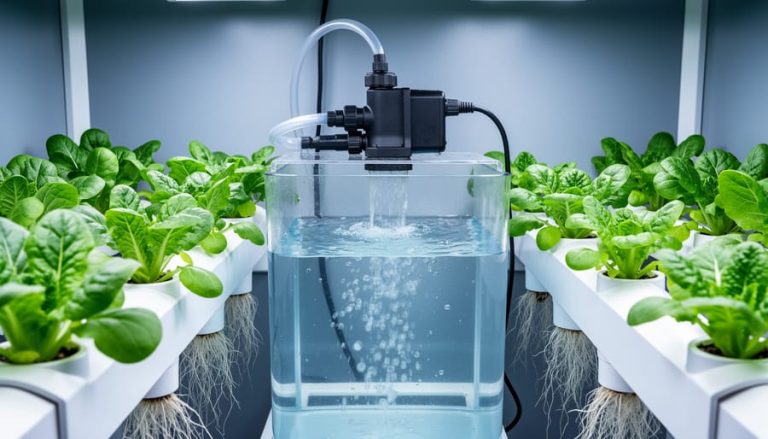
Magnetized water has become particularly popular in hydroponic circles. The technique involves running water through or past strong magnets before it reaches your reservoir, supposedly altering water’s molecular structure and improving nutrient absorption. You can create a simple magnetized water setup by securing magnets around your fill hose or positioning them near your reservoir inlet. Many hydroponic growers experiment with magnetic stir bars in nutrient solutions, though whether this serves a practical mixing purpose or an electro culture one remains debatable.
For reservoir integration, some practitioners place magnets directly on the outside of storage tanks or float magnetic arrays in the water itself. Start conservatively if you test this approach. A few small magnets near your air stones or circulation pumps won’t hurt, and you can document any observable differences in plant response over several growth cycles. The investment is minimal, making it a low-risk experiment for curious hydroponic gardeners willing to track their results carefully.
Grounding and Earth Connection
Grounding your plants to earth energy sounds straightforward until you’re ten floors up in a high-rise apartment. Traditional electro culture relies on direct soil contact with the earth’s natural electrical field, but urban gardeners face a unique challenge: literal disconnection from the ground.
The solution starts simpler than you’d think. For balcony setups, a grounding rod connected to a metal stake pushed into your container soil creates a pathway for atmospheric charge. You’re not tapping into the earth itself, but you’re creating a reference point for electrical potential that many practitioners find effective. Run a bare copper wire from this stake down to any metal railing or structural element in contact with the building’s foundation.
Indoor growers have more creative options. Some connect copper wire from their growing containers to cold water pipes, which typically maintain ground connection in most buildings. Others use grounding mats designed for electronics, placing them beneath hydroponic reservoirs or grow trays. The key is establishing any conductive path that extends beyond your immediate growing space.
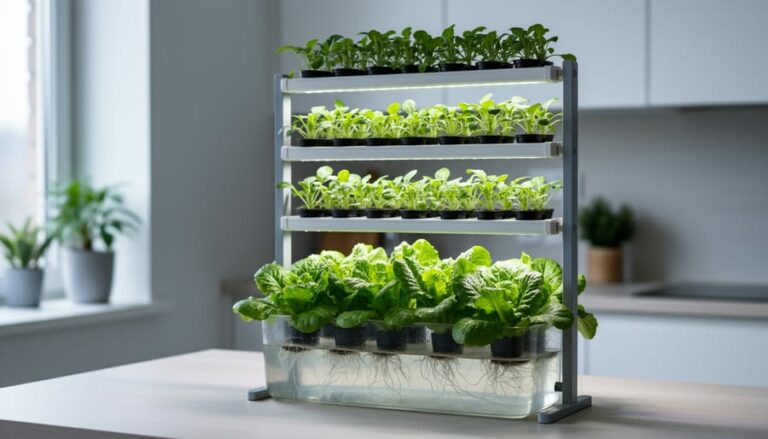
For completely soil-less systems like vertical hydroponic towers, wrap a grounded copper wire around the water supply line or reservoir. While this differs from traditional earth grounding, it provides a reference point for charge differential that’s central to electro culture theory.
Does it work without true earth contact? The honest answer is that practitioners report mixed results, and the science here is thin. Treat this as an experiment worth trying, not a guaranteed technique.
Integrating Electro Culture with Hydroponic and Indoor Systems
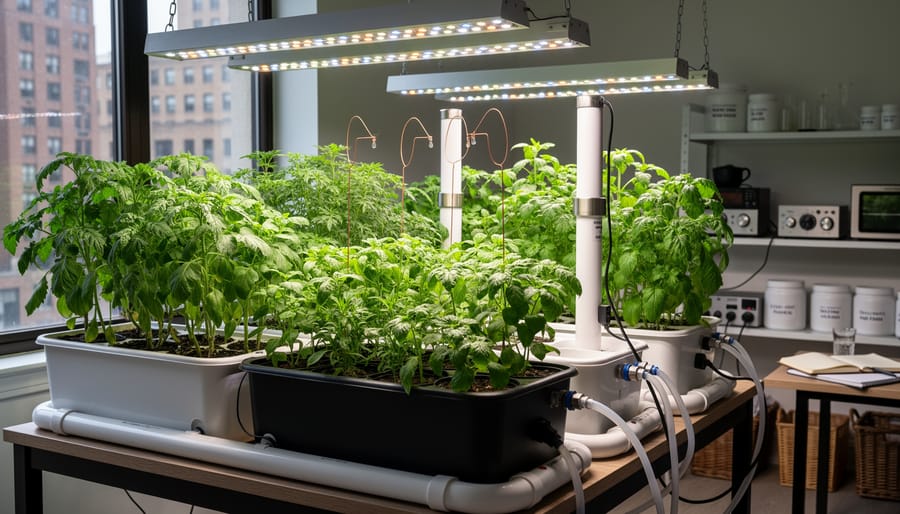
Adapting electro culture to indoor growing requires rethinking methods that were originally developed for outdoor soil gardens. If you already understand hydroponics basics you know that these systems replace soil with nutrient solutions and controlled environments. The challenge is figuring out how copper antennas and electromagnetic principles translate when you’re working with PVC pipes, plastic containers, and LED lights instead of earth and sky.
The good news is that hydroponic systems offer unique advantages for testing electro culture. Your controlled environment means you can isolate variables more precisely than outdoor gardeners. When you start a small system specifically for electro culture experiments, you can run side-by-side comparisons with identical nutrient solutions, light schedules, and plant genetics.
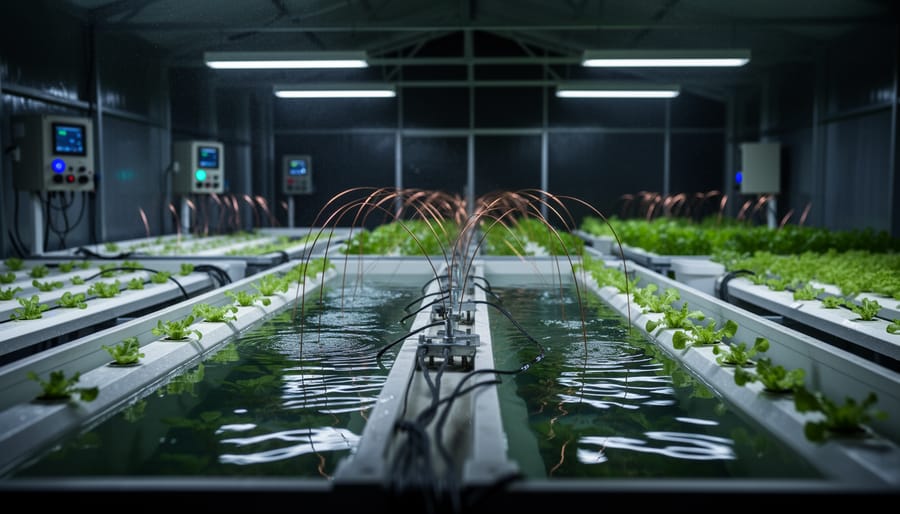
Copper wire spirals work differently indoors. Instead of grounding into earth, wrap copper around vertical growing towers or attach spirals to the outside of NFT channels. Some growers report positioning copper coils near their reservoir or wrapping them around delivery tubes. The theory suggests that water flowing through the system might carry electromagnetic effects throughout the plant roots, though this remains unproven.
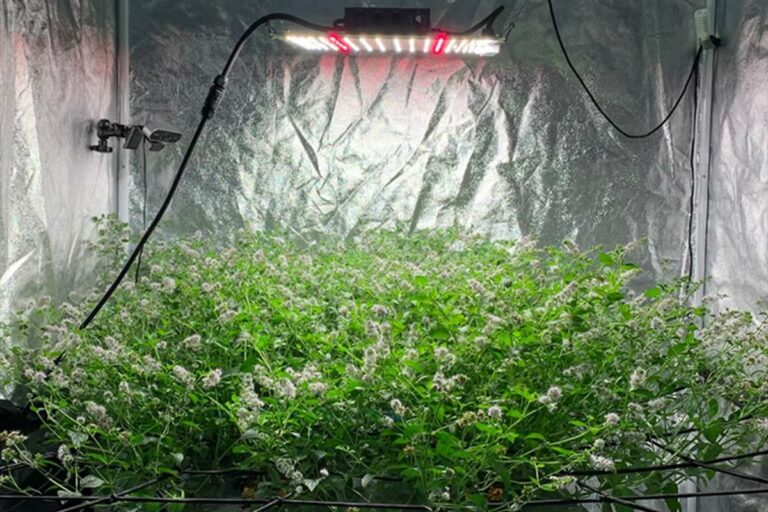
LED grow lights present an interesting variable. These already emit electromagnetic fields, which might interact with your electro culture setup in ways that outdoor sunlight wouldn’t. Document whether copper placements near light fixtures create any observable differences, positive or negative. Some indoor gardeners position small magnets on reservoir lids or attach them to water pumps, theorizing that magnetized nutrient solution might enhance uptake.
Grounding poses the biggest challenge in apartments and high-rises. You can create makeshift earth connections by running copper wire to plumbing fixtures or using grounding mats designed for electronics, though results vary widely. Indoor growers testing these methods should maintain hydroponics best practices first and treat electro culture as an additional experiment, not a replacement for proven techniques.
AI monitoring systems and smart sensors give indoor growers a distinct advantage. Track growth rates, nutrient uptake patterns, and harvest weights with precision that outdoor gardens can’t match. This data-driven approach turns your indoor setup into a legitimate experiment rather than hopeful guesswork, creating documentation that contributes to understanding whether these methods actually work in controlled environments.
Getting Started: Your First Electro Culture Experiment
The best way to explore electro culture is by treating it as what it is: an experiment. You don’t need expensive equipment or specialized knowledge, just curiosity and a willingness to observe carefully. Here’s how to design your first test.
- Select your test subjects. Choose plant varieties that grow relatively quickly and respond visibly to changes, like lettuce, basil, or radishes. You’ll need at least four plants of the same variety from the same seed batch.
- Create a simple copper antenna. Wind bare copper wire (14-16 gauge) into a spiral about 4-6 inches in diameter, leaving a straight stem 8-12 inches long to insert into your growing medium. Make two identical antennas.
- Establish your control and test groups. Place two plants in identical containers with the same soil, light exposure, and watering schedule. Insert copper antennas into the test plants’ containers, orienting them north if possible. Keep the other two plants completely free of any electro culture additions.
- Measure baseline data. Before you begin, record each plant’s height, leaf count, and overall appearance. Take photos from the same angle and distance.
- Document everything. Create a simple log noting daily observations, weekly measurements, watering amounts, light hours, and any changes you observe in growth rate, color, or vigor. Use your phone to timestamp photos weekly.
Run your experiment for at least 4-6 weeks, the typical growth cycle for many fast-growing crops. Don’t change anything mid-experiment. If you notice differences between your control and test plants, that’s interesting data. If you don’t, that’s equally valuable information.
The goal isn’t to prove electro culture works or doesn’t work. You’re gathering your own observations about how these methods perform in your specific setup with your conditions. Share your documented results with other urban gardeners online. Honest, well-documented experiments from real growers contribute more to understanding this practice than any amount of speculation.
Learning More: Workshops and Educational Resources in 2026
The electro culture movement is gaining momentum in 2026, with more gardeners connecting through workshops and online communities. If you’re eager to learn hands-on, several educational opportunities are emerging that blend permaculture principles with electro culture techniques.
Free permaculture-electroculture design courses have started appearing this year, making these experimental methods accessible to community gardeners who want to test them alongside traditional organic practices. These programs typically cover both foundational permaculture design and how to integrate atmospheric energy techniques into garden systems. Look for offerings through local gardening groups, community gardens, and online platforms that focus on sustainable agriculture education.
Regional workshops are also popping up, particularly focused on edible gardens where growers can experiment with multiple techniques simultaneously. For example, edible garden workshops scheduled for locations like Thornlands, QLD in July 2026 provide opportunities to learn companion planting and integrated growing methods in practical, hands-on settings. These events let you see how experienced gardeners incorporate various techniques, including electro culture, into productive food gardens.
Beyond formal workshops, online forums and social media groups dedicated to electro culture have become valuable resources for sharing experiments, troubleshooting setups, and documenting results. Many urban gardeners are posting their antenna configurations, growth comparisons, and detailed observations, creating a crowdsourced knowledge base.
The key to learning electro culture is approaching it with an open mind and scientific curiosity. Document your experiments carefully, especially when you harvest food safely from test beds compared to control plants. Share your findings, ask questions, and remember that this field is still developing. Community learning and honest data sharing will help separate genuine effects from wishful thinking.
Is Electro Culture Right for Your Urban Garden?
Deciding whether to experiment with electro culture comes down to your goals, available time, and comfort with uncertainty. This isn’t a proven shortcut to bigger harvests, but it might be an interesting addition to your urban gardening practice if you approach it with the right expectations.
- Minimal financial investment requires only basic copper wire and simple materials
- Aligns with sustainable gardening principles using natural electromagnetic energy
- Offers valuable hands-on learning about plant biology and experimental methods
- Can be easily integrated into existing container and hydroponic systems
- Limited peer-reviewed scientific evidence supporting effectiveness in 2026
- Results vary widely between different plants, environments, and setups
- Requires careful documentation and patience to assess any real impact
- May not justify the time investment if you need guaranteed production
This practice makes the most sense for gardeners who enjoy experimenting and don’t mind if results fall short of the enthusiastic claims circulating online. If you’re running a balcony garden purely for food production and need every plant to perform, you might want to perfect your basics first. But if you’ve got a few extra containers, some curiosity about plant science, and the discipline to maintain control groups, electro culture offers a low-risk way to explore emerging techniques.
The key is treating it as what it is in 2026: an experimental practice with intriguing possibilities rather than a guaranteed solution. Keep your expectations realistic, document what you observe rather than what you hope to see, and you’ll gain insight regardless of whether your plants show dramatic changes. That learning process itself has value for any urban gardener committed to understanding how plants really grow.
Electro culture gardening won’t replace proven techniques, but it offers something valuable for urban growers in 2026: a chance to experiment, observe, and contribute to an evolving practice. Whether you’re threading copper wire through your vertical garden or magnetizing your hydroponic reservoir, you’re participating in a grassroots movement that blends ancient agricultural wisdom with modern curiosity.
The beauty of this approach lies in its accessibility. You don’t need expensive equipment or advanced degrees to run meaningful experiments on your balcony or in your living room. A few dollars’ worth of copper wire, a notebook for tracking observations, and genuine curiosity about how energy influences growth are enough to start. Document what you see honestly, compare results against control plants, and share your findings with other growers exploring these methods.
This experimental mindset embodies what sustainable urban agriculture is all about: community members testing innovations, learning from each other, and gradually building knowledge that benefits everyone. Your small-scale trials might reveal patterns that help other growers, or they might simply teach you something new about how your plants respond to their environment.
Approach electro culture with both open-mindedness and healthy skepticism. Test it alongside methods you already trust, stay grounded in observation rather than hype, and remember that even inconclusive results add to our collective understanding. The real spark might not come from the copper antenna itself, but from the renewed attention you’re paying to your plants’ needs and responses.